
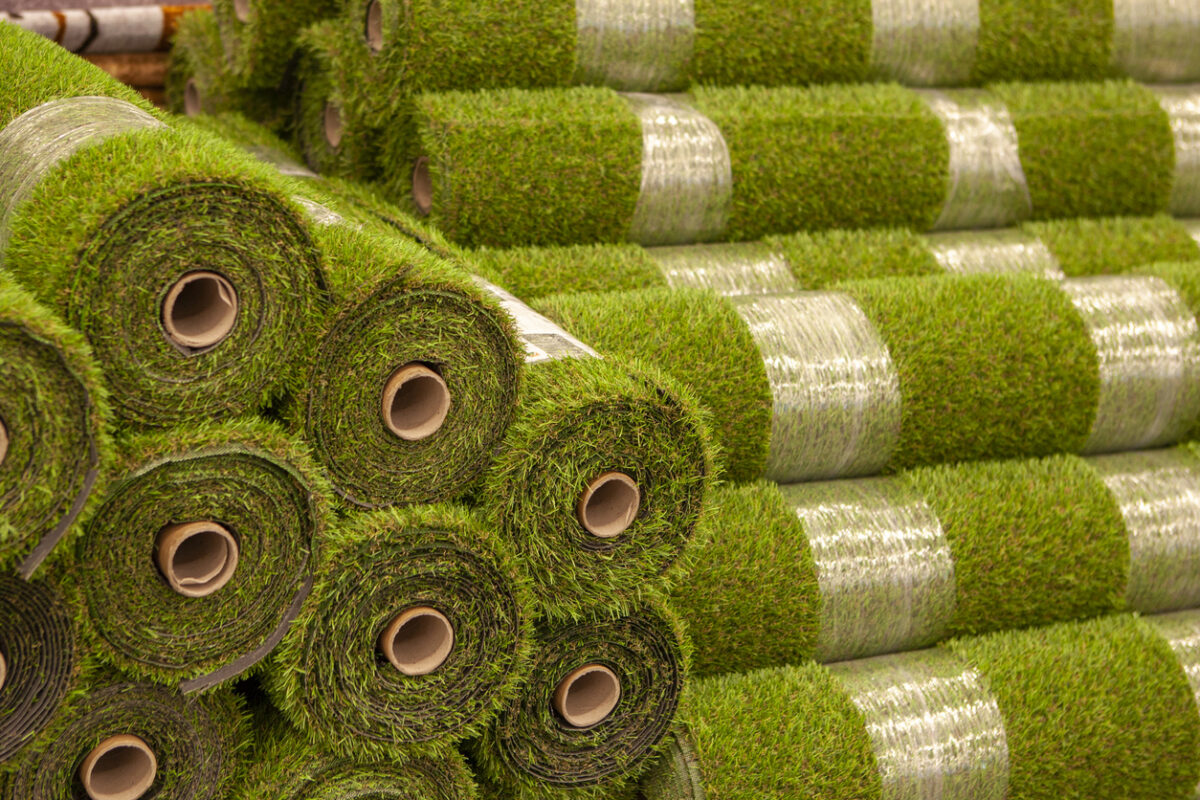
Artificial grass has become a go-to solution for landscaping projects, sports fields, and commercial spaces. It offers the look and feel of natural turf—without the maintenance costs or seasonal limitations. But if you’re sourcing artificial grass from overseas suppliers, especially in China, understanding standards, quality, and durability is essential to avoid costly mistakes.
At Eurasia Consultis, we help European buyers navigate the sourcing process with confidence, ensuring products meet both market requirements and long-term performance expectations.
1. Understanding Quality Standards for Artificial Grass
When buying artificial turf for the European market, compliance isn’t just about aesthetics—it’s about safety, durability, and environmental responsibility.
Key Standards to Check:
- EN 15330-1: Performance standards for sports surfaces
- EN 71-3: Safety of toys—testing for harmful substances in synthetic grass used in playgrounds
- REACH Regulation: Restrictions on hazardous chemicals
- UV Resistance Standards: Ensuring color stability under prolonged sun exposure
Tip: Always request test reports from recognized third-party labs such as SGS, TÜV, or Intertek before confirming an order.
2. Evaluating the Quality of Artificial Grass
Not all turf is created equal. The feel, appearance, and lifespan of artificial grass depend on several manufacturing factors:
- Pile Height: Longer fibers (30–50mm) create a lush, natural look; shorter fibers (15–25mm) are better for sports and high-traffic areas.
- Pile Density: Measured in stitches per square meter; higher density offers more cushioning and better wear resistance.
- Fiber Material: Polyethylene (soft, natural feel), polypropylene (budget-friendly), or nylon (high durability).
- Backing Quality: Good turf uses strong primary and secondary backing with robust latex or polyurethane coating.
- Drainage System: Perforations for quick water runoff to prevent mold and damage.
3. Durability Factors to Consider
Durability is determined by more than just the material. Proper sourcing and production oversight ensure the turf will last for years without fading or flattening.
- UV Stability: Prevents color fading
- Abrasion Resistance: Essential for sports use
- Weather Resistance: Withstands rain, frost, and heat
- Infill Compatibility: Works well with silica sand or rubber granules for stability and performance
At Eurasia Consultis, we arrange on-site inspections during production to ensure these durability elements are built into the product from the start.
4. The Sourcing Process We Recommend
- Define Your Application – Landscape, sports, playground, or decorative.
- Set Performance Criteria – Pile height, density, UV resistance, certifications.
- Shortlist Verified Factories – Avoiding trading companies and unverified sources.
- Order Pre-Production Samples – Test for texture, density, and resilience.
- Conduct Factory Audits – Checking compliance, production capacity, and quality systems.
- Supervise Production – Eurasia Consultis teams inspect before, during, and after manufacturing.
- Arrange Reliable Shipping – Coordinating timelines to avoid costly project delays.
5. Why Work With Eurasia Consultis?
The best way is to go through Eurasia Consultis, because clients pay us and we take responsibility for paying the factories behind. This approach safeguards your payments and ensures that products are made to your agreed standards—reducing your risk at every step.
Final Thought
Sourcing artificial grass is not just about finding the cheapest supplier—it’s about ensuring the turf meets strict safety standards, performs well under real-life conditions, and lasts for years. With proper planning and the right partner, your artificial grass project can be both cost-effective and high-quality.